
Meet the people behind this publication


MRI Technologist: Salary, Skills, Duties & How to Become One
If you’re researching the MRI technologist career, you’re likely asking:
- What does an MRI technologist do?
- Is it hard to become one?
- How much do MRI technologists earn?
- Is this career worth choosing in 2026?
- What education is required?
This guide answers all of those questions with a practical, structured explanation so you can decide whether this healthcare career path fits your goals.
This article belongs in Automation ESTable of Contents
Quick Career Overview Table
| Category | Details |
| Career Type | Medical imaging specialist |
| Education Required | Associate or bachelor’s degree |
| Certification | Usually ARRT |
| Work Settings | Hospitals, imaging centers |
| Median Salary | ~$87,000/year |
| Job Outlook | Strong demand |
| Patient Interaction | High |
| Technology Use | Advanced MRI scanners |
MRI technologists combine technical imaging expertise with patient care skills.
What Is an MRI Technologist?
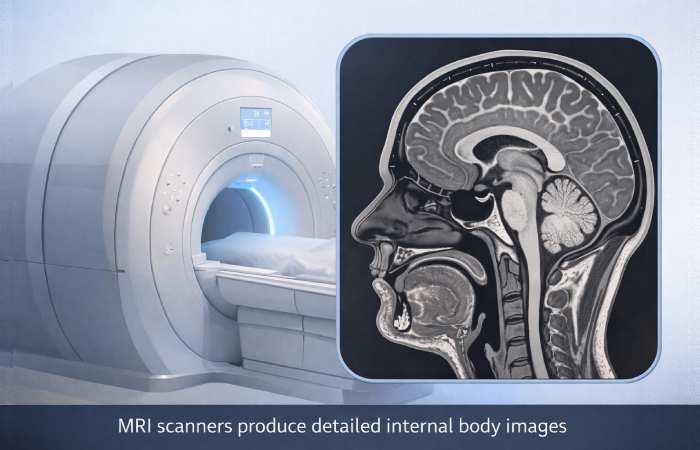
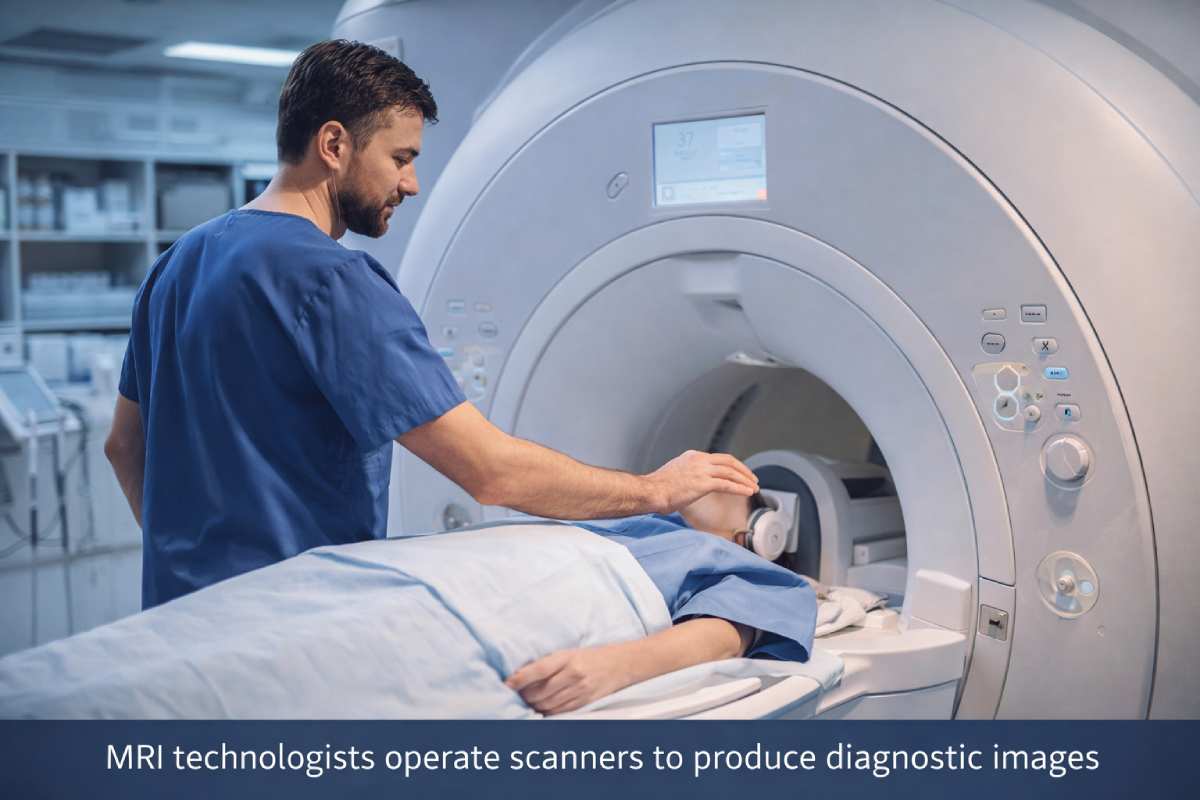
An MRI technologist operates MRI scanners to capture detailed internal images of the human body that help physicians diagnose medical conditions such as tumors, strokes, infections, and neurological disorders.
Unlike general radiologic technologists:
MRI technologists specialize in magnetic resonance imaging technology only.
Their work directly influences:
- diagnosis accuracy
- treatment planning
- surgical decisions
- disease monitoring
This makes the role essential in modern healthcare systems.
What Does an MRI Technologist Do? (Daily Responsibilities)
Typical duties include:
Preparing patients for scans
This involves:
- explaining procedures
- answering questions
- screening for metal implants
MRI safety screening is critical.
Operating MRI scanners
Technologists adjust:
- scanning parameters
- imaging sequences
- positioning techniques
to ensure high-quality images.
Positioning patients correctly
Accurate positioning ensures:
clear diagnostic images
shorter scan time
better patient comfort
Monitoring image quality
Technologists review scans to confirm they meet physician requirements before submission.
Maintaining imaging equipment
MRI technologists also:
- check machine calibration
- follow safety protocols
- report technical issues
Recording patient data
Documentation includes:
scan details
medical notes
technical settings
Accurate records improve treatment outcomes.
Where MRI Technologists Work
MRI technologists typically work in:
| Workplace | Role Focus |
| Hospitals | Emergency + complex scans |
| Imaging centers | Scheduled outpatient scans |
| Specialty clinics | Neurology / orthopedics |
| Research labs | Experimental imaging |
| Pediatric centers | Child imaging specialists |
Most technologists work full-time, though schedules may include evenings or weekends depending on facility needs.
Why MRI Technologists Are Important in Healthcare
MRI scans help diagnose:
- brain tumors
- spinal injuries
- stroke complications
- dementia
- infections
These scans guide treatment planning and improve patient outcomes.
Without MRI technologists:
modern diagnostic medicine would be severely limited.
MRI Technologist vs Radiologic Technologist
Many students confuse these roles.
Here’s the difference:
| Feature | MRI Technologist | Radiologic Technologist |
| Imaging Type | MRI only | X-ray, CT, fluoroscopy |
| Radiation Exposure | None | Yes (low levels) |
| Training | Advanced specialization | General imaging training |
| Salary | Higher average | Slightly lower |
Many MRI technologists begin their careers as radiologic technologists before specializing.
Skills Required to Become an MRI Technologist
Successful MRI technologists combine:
technical skills
medical knowledge
communication ability
Key competencies include:
Attention to detail
Precise imaging is essential for diagnosis accuracy.
Patient-care skills
Patients may feel anxious during scans.
Technologists help them stay calm and still.
Technical equipment operation
MRI machines are complex diagnostic tools.
Understanding scan parameters improves results.
Physical stamina
Technologists often:
stand long periods
assist patient positioning
move equipment when needed
Communication skills
They coordinate with:
radiologists
nurses
physicians
patients
Step-by-Step: How to Become an MRI Technologist
Step 1: Complete High School Science Courses
Helpful subjects include:
biology
physics
chemistry
mathematics
These prepare students for imaging-science programs.
Step 2: Earn an Associate or Bachelor’s Degree
Most MRI technologists complete:
radiologic technology programs
These include courses such as:
anatomy
medical imaging physics
patient care procedures
Step 3: Obtain Certification
Most employers prefer certification from:
ARRT (American Registry of Radiologic Technologists)
Certification improves hiring chances significantly.
Step 4: Specialize in MRI Imaging
After initial certification:
students complete MRI-specific training modules
This includes:
scan protocols
safety training
sequence optimization
Step 5: Gain Clinical Experience
Hands-on training occurs during:
internships
clinical rotations
entry-level imaging positions
Experience improves career opportunities quickly.
MRI Technologist Salary Expectations
Salary varies by:
location
experience
facility type
specialization
Typical median salary:
≈ $87,000 annually in the United States.
Advanced technologists often earn more.
Factors That Influence MRI Technologist Salary
Major salary drivers include:
experience level
certifications
hospital vs clinic setting
city location
advanced imaging specialization
Travel MRI technologists often earn the highest pay.
MRI Technologist Job Outlook (2026 and Beyond)
Healthcare imaging demand continues growing due to:
aging populations
chronic disease diagnosis
advanced imaging technology adoption
This creates strong long-term career stability.
MRI technologists remain one of the most in-demand imaging specialists today.
Specialization Options for MRI Technologists
Career growth paths include:
Neuroimaging specialist
Focuses on:
brain scans
stroke imaging
tumor detection
Pediatric MRI technologist
Works exclusively with children.
Requires additional communication skills.
Musculoskeletal imaging specialist
Supports orthopedic diagnosis.
Common scans include:
ligament tears
joint injuries
sports trauma
Research MRI technologist
Works in:
clinical trials
medical imaging research
neuroscience labs
Advantages of Becoming an MRI Technologist
Major benefits include:
strong salary potential
stable employment demand
advanced medical technology exposure
meaningful patient impact
multiple specialization options
This makes it one of the best allied-health careers today.
Challenges of the MRI Technologist Career
Important realities include:
long standing hours
shift-based schedules
patient-handling responsibilities
continuous technical learning requirements
Understanding these early helps students choose wisely.
What Most Students Misunderstand About This Career
Common myth:
MRI technologists just press buttons.
Reality:
They adjust imaging sequences precisely.
Another myth:
MRI training is short.
Reality:
Certification and specialization require dedication.
Work Environment Safety Considerations
MRI technologists follow strict safety rules because scanners use powerful magnetic fields.
Safety includes screening for:
metal implants
pacemakers
prosthetics
jewelry
This protects patients and staff.
A Typical Workday for an MRI Technologist
Example schedule:
| Time | Task |
| Morning | Patient preparation |
| Midday | Scan procedures |
| Afternoon | Image review |
| Evening | Documentation |
Workdays vary by facility type.
Who Should Consider This Career
This career is ideal for:
science students
healthcare-interested learners
technology enthusiasts
patient-care professionals
especially those wanting clinical careers without medical school.
Who Should Avoid This Career
This job may not suit people who dislike:
technical equipment
patient interaction
shift schedules
clinical environments
Career fit matters.
MRI Technologist vs CT Technologist
| Feature | MRI | CT |
| Radiation | No | Yes |
| Scan Speed | Slower | Faster |
| Detail Level | Higher soft-tissue detail | Bone detail strong |
| Salary | Often higher | Moderate |
MRI specialization often leads to stronger career advancement opportunities.
Career Advancement Opportunities
MRI technologists can advance into:
lead technologist roles
department supervisor positions
radiology educator careers
imaging application specialists
Leadership roles increase salary potential.
Certification Requirements Explained Simply
Most employers prefer:
ARRT certification
Additional certifications may include:
advanced MRI credentials
BLS certification
safety training modules
Certification improves credibility and job mobility.
Real-Life Example Career Path
Typical pathway:
Radiologic technologist → MRI specialization → Senior MRI technologist → Supervisor
Many professionals follow this route.
FAQs Section
Is MRI technologist a good career in 2026?
Yes. Demand remains strong due to increased diagnostic imaging needs.
How long does it take to become an MRI technologist?
Typically 2–4 years depending on education pathway.
Do MRI technologists work with patients?
Yes. Patient interaction is part of daily duties.
Is MRI technologist harder than radiologic technologist?
MRI requires additional specialization but builds on radiologic training.
Can MRI technologists specialize further?
Yes. Neuroimaging, pediatric imaging, and research imaging are common options.
Final Conclusion including keyword
Choosing a career as an MRI technologist offers an excellent combination of medical impact, technical expertise, strong salary potential, and long-term job stability. With growing demand for diagnostic imaging professionals worldwide, becoming an MRI technologist is one of the most reliable and rewarding entry points into modern healthcare technology careers.
