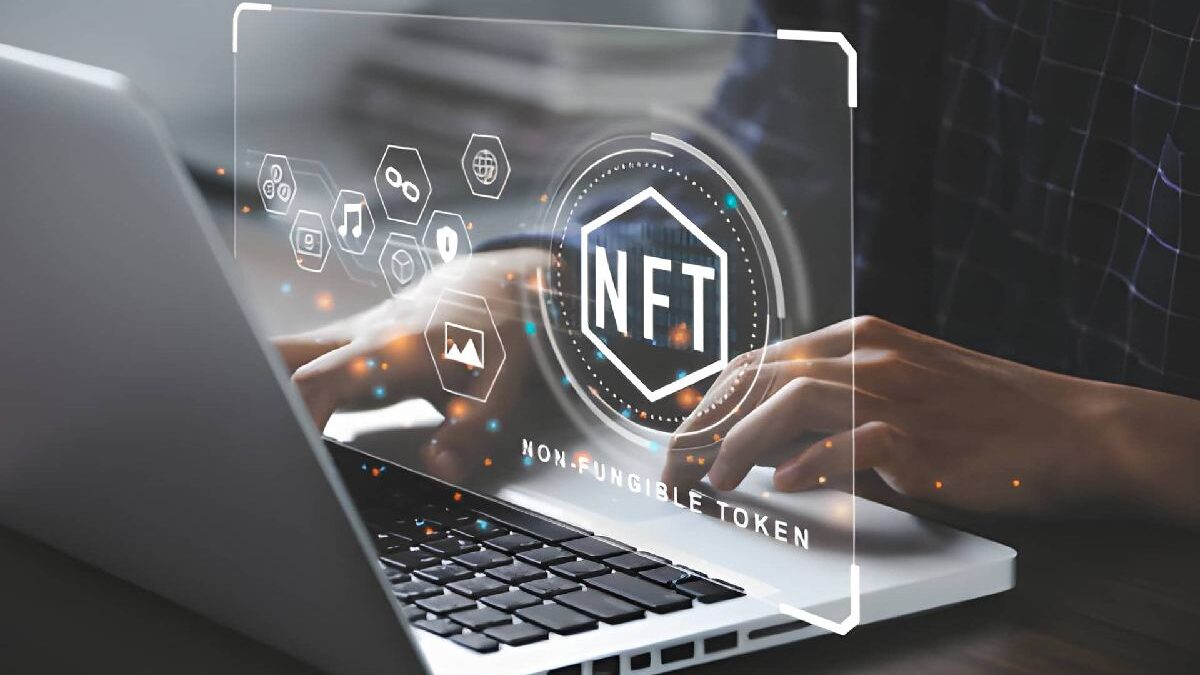
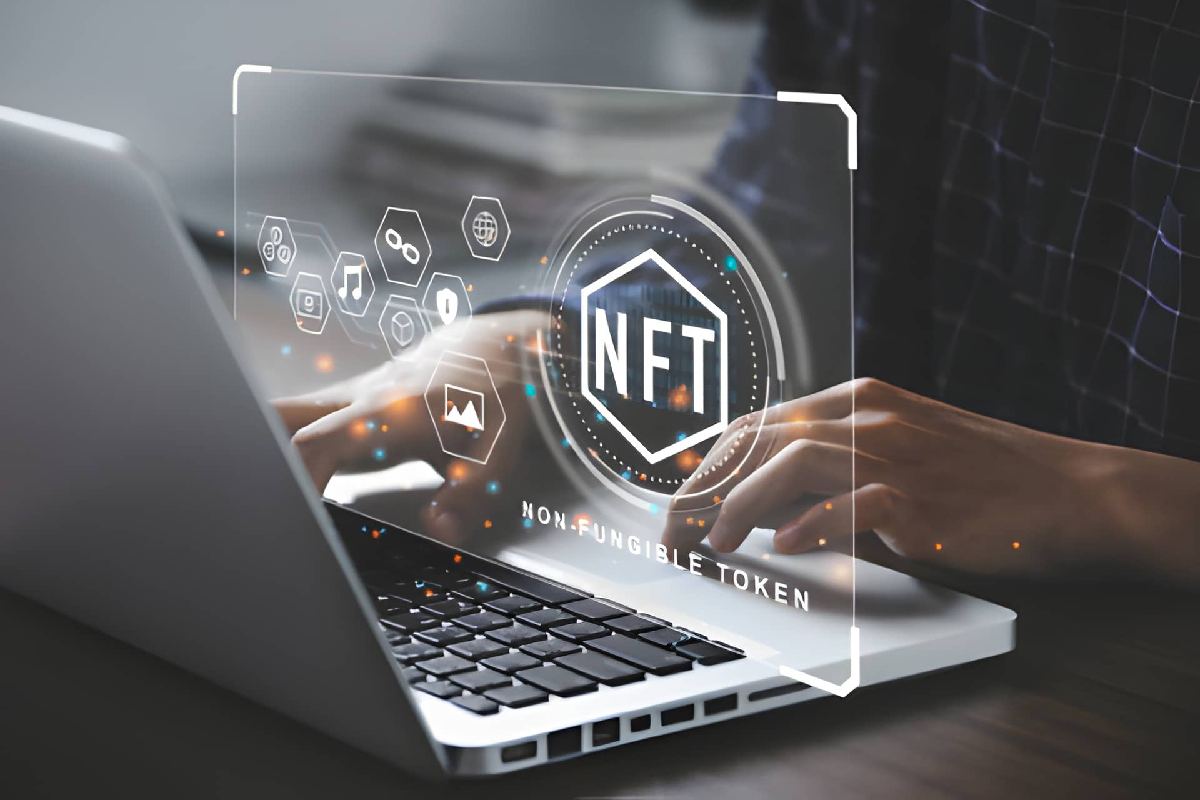
Digital ownership has evolved rapidly, and one of the most talked-about innovations is the NFT. Understanding what an NFT is, its concept, and its characteristics helps clarify how digital assets are bought, sold, and authenticated today.
NFTs have influenced art, gaming, entertainment, and even business models. While they offer exciting opportunities, they also present challenges such as volatility, legal uncertainties, and technical complexities. This guide explains everything clearly and practically.
Table of Contents
Clear Definition of NFT
A Non-Fungible Token (NFT) is a unique digital identifier recorded on a blockchain that certifies ownership or authenticity of a digital or physical asset. It cannot be copied or replaced because each token contains unique metadata stored on a decentralized ledger.
In simpler terms:
-
NFTs prove ownership digitally.
-
They are unique and not interchangeable.
-
Blockchain technology ensures transparency and security.
This is what makes NFTs different from cryptocurrencies like Bitcoin, which are interchangeable.
Core Concept Behind NFTs
The concept of NFTs revolves around digital scarcity and ownership. Blockchain technology allows a digital file to have a verified owner, similar to owning a physical collectible.
Key elements include:
-
Blockchain verification
-
Unique digital signatures
-
Smart contracts for transactions
-
Transparent ownership records
NFTs have expanded from digital art into gaming assets, virtual land, music rights, and more.
Main Characteristics of NFTs
1. Uniqueness
Every NFT has distinct metadata, making it different from any other token.
2. Indivisibility
NFTs usually cannot be divided into smaller units like cryptocurrencies.
3. Ownership Transparency
Blockchain records show who owns the token.
4. Transferability
NFTs can be traded or sold on specialized marketplaces.
These characteristics define their value and authenticity.
Who NFTs Are For
NFTs are particularly useful for:
-
Digital artists and creators
-
Collectors and investors
-
Gamers and virtual asset traders
-
Businesses exploring digital branding
-
Technology enthusiasts
Understanding NFTs helps users participate responsibly in the digital economy.
Who Should Avoid NFTs (For Now)
NFTs may not suit everyone, especially if:
-
You prefer stable investments
-
Technical blockchain knowledge is limited
-
Regulatory clarity is required
-
Environmental concerns matter significantly
NFT markets can be speculative and unpredictable.
Principal Applications of NFTs
Digital Art and Collectibles
NFTs allow artists to sell digital artwork with verifiable ownership.
Gaming Industry
Players can own, trade, or monetize in-game assets.
Music and Entertainment
Artists can sell exclusive content directly to fans.
Real Estate and Assets
NFTs are being tested for property ownership records.
Identity and Certification
Blockchain tokens can represent credentials or certificates.
These applications continue expanding rapidly.
Benefits of NFTs
Authentic Digital Ownership
Blockchain verifies authenticity.
Creator Monetization
Artists earn royalties via smart contracts.
Market Transparency
Ownership records are publicly verifiable.
Innovation Opportunities
New digital economies and business models emerge.
These advantages explain the popularity of NFTs.
Challenges and Difficulties of NFTs

Market Volatility
NFT values can fluctuate significantly.
Legal Uncertainty
Ownership of the token does not always equal copyright ownership.
Environmental Concerns
Blockchain transactions can consume energy.
Fraud and Scams
Fake listings and phishing risks exist.
Responsible participation requires awareness.
Myths vs Facts About NFTs
| Myth | Fact |
|---|---|
| NFTs always make money | Many NFTs lose value |
| Buying an NFT means copyright ownership | It often doesn’t include IP rights |
| NFTs are only digital art | They include gaming, music, assets |
| NFTs are anonymous and untraceable | Blockchain records are transparent |
Understanding facts prevents unrealistic expectations.
Common Mistakes With NFTs
-
Buying without researching projects
-
Ignoring transaction fees
-
Expecting quick profits
-
Overlooking legal rights
-
Using insecure wallets
Avoiding these improves safety.
Practical Tips Before Investing in NFTs
Research Thoroughly
Understand the project and creator credibility.
Secure Digital Wallets
Use trusted wallets and strong security practices.
Understand Ownership Rights
Check licensing and copyright details.
Diversify Investments
Avoid putting all funds into one NFT.
Stay Updated
NFT technology evolves rapidly.
These tips help minimize risk.
Real-World Experience Insight
From observing digital automation and blockchain content trends, NFTs perform best when tied to real utility — such as exclusive access, membership benefits, or gaming functionality — rather than pure speculation. Projects with genuine value tend to sustain longer interest.
Future Outlook of NFTs
Experts predict continued evolution:
-
Integration with metaverse platforms
-
Digital identity verification
-
Intellectual property tokenization
-
Supply chain transparency
-
Creator-economy innovations
NFT adoption depends on regulation, technology maturity, and market stability.
FAQs About NFTs
What does NFT stand for?
Non-Fungible Token.
Are NFTs cryptocurrencies?
No, they are unique digital assets, unlike interchangeable cryptocurrencies.
Can NFTs be copied?
The digital file can be copied, but ownership certification remains unique.
Are NFTs safe investments?
They can be risky due to volatility and market speculation.
What industries use NFTs?
Art, gaming, music, finance, identity management, and entertainment.
Final Conclusion
Understanding what an NFT is, its concept, and its characteristics helps clarify how digital ownership works in the blockchain era. NFTs enable new forms of creativity, ownership, and digital economies, but they also involve risks and complexities. Balanced awareness, proper research, and responsible adoption are essential for anyone exploring NFTs today.
High-Authority Sources Used
-
https://www.investopedia.com/non-fungible-tokens-nft-5115211
-
https://www.kaspersky.com/resource-center/definitions/what-is-an-nft
-
https://hedera.com/learning/tokens/what-is-a-non-fungible-token-nft
These sources provide authoritative insights into NFT definitions, characteristics, blockchain ownership, applications, and challenges.