
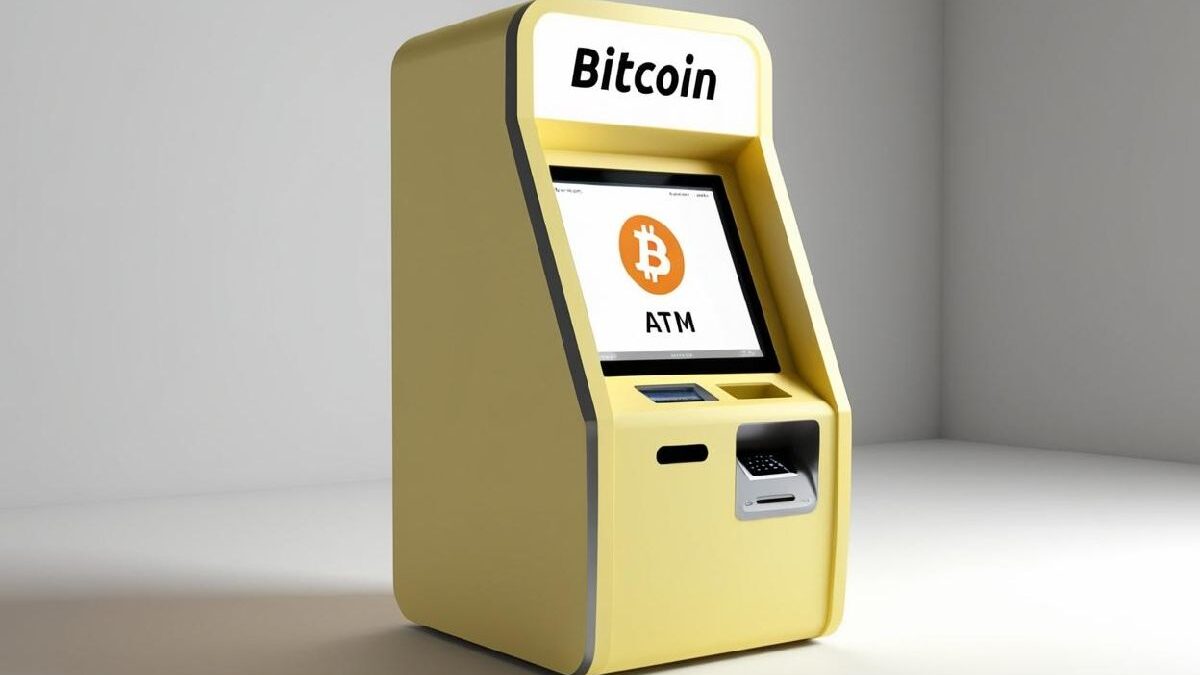
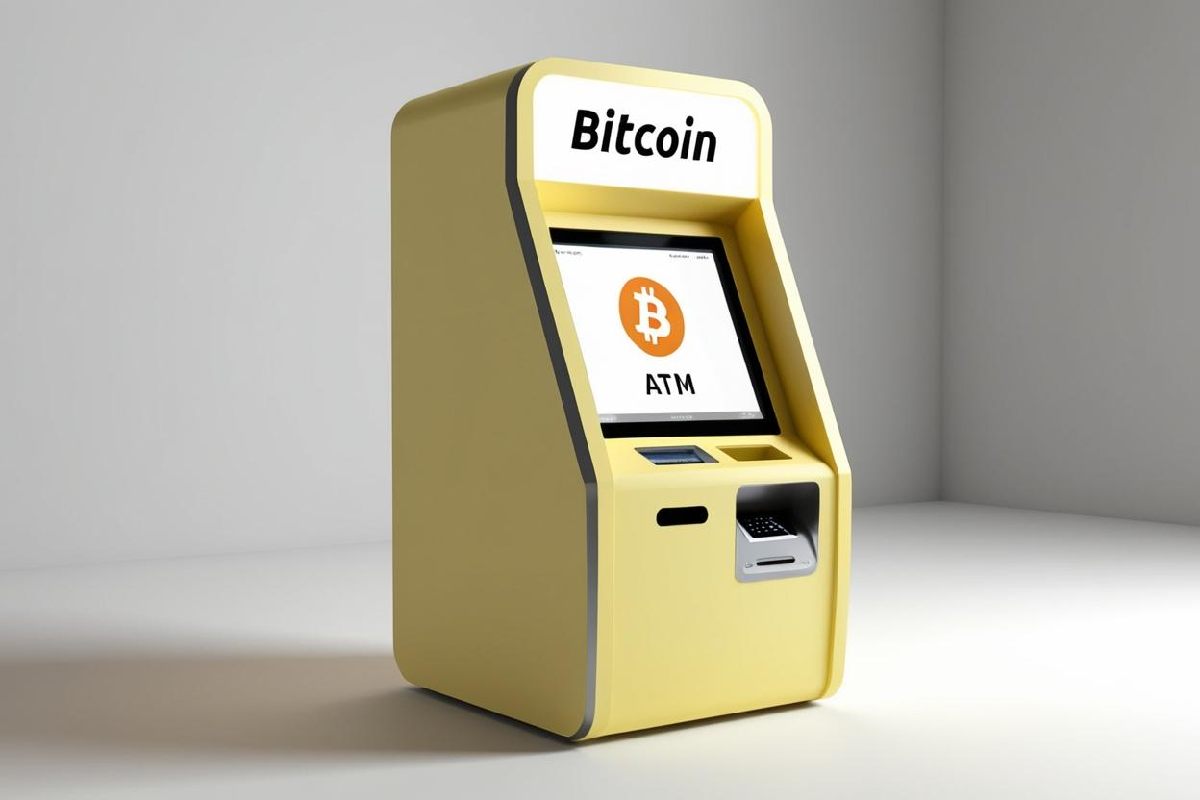
Preparing For Your First Bitcoin ATM Transaction: IDs, Cash, And Limits
You’ve completed your research, learned about Bitcoin, and now you’re ready to make a purchase. And now, you’re staring at your phone, typing in “nearest Bitcoin ATM” to figure out where to go.
Simple enough, right?
In theory, yes. But in reality, your first transaction at a Bitcoin ATM can throw you a few curveballs—especially if you show up unprepared. These machines are fast, convenient, and beginner-friendly… if you know what to expect before you get there.
Here’s your no-nonsense guide to making your first Bitcoin ATM visit smooth, quick, and surprise-free.
Table of Contents
Step 1: Bring the Right Form of Payment—Spoiler, It’s Not Your Debit Card
Most Bitcoin ATMs are cash-only. That’s by design. They’re intended to let you convert physical dollars directly into crypto without waiting on bank transfers.
So if you show up with a debit card in hand, thinking it’ll work like a regular ATM—nope.
What to bring:
- Physical U.S. dollars (some machines accept small bills only—$5s, $10s, $20s)
- A crypto wallet on your phone
- Your ID (we’ll get to that next)
Double-check your wallet or purse before you head to the nearest Bitcoin ATM—finding one is great, but it’s no use if you don’t have cash on you.
Step 2: Be Ready to Verify Your Identity
Let’s talk ID. Yes, even for crypto.
Many people assume Bitcoin ATMs are anonymous by default. While smaller transactions might not require much verification, most machines ask for a phone number at minimum—and often require a government-issued ID for higher amounts.
Why? Compliance with anti-money laundering (AML) and Know Your Customer (KYC) regulations. It’s not about invading your privacy; it’s about making sure the machine isn’t being used for anything shady.
Here’s what to expect:
- Phone number verification (you’ll get a code via text)
- Scanning your driver’s license or ID
- In some cases, a selfie for identity confirmation
If that sounds intense, relax—it’s usually a quick process, and once you’re verified, your next visit is much faster.
Step 3: Understand the Limits Before You Go
Bitcoin ATMs have limits, and those limits matter.
Most machines enforce:
- A minimum transaction amount (often $10 or $20)
- A maximum purchase limit (commonly $1,000–$3,000 per day)
- Tiered verification—the more you want to buy, the more ID you need
Trying to buy $2,000 worth of BTC without scanning your ID? Not gonna happen.
Want to make a small test purchase of $5? The machine might not allow it.
Before heading to the nearest Bitcoin ATM, it’s smart to:
- Know how much you want to buy
- Check if that amount falls within the machine’s rules
- Bring the right ID if you’re near the higher limits
This avoids the frustrating moment where you insert cash… only to have the transaction denied halfway through.
Step 4: Have Your Crypto Wallet Ready (And Tested)
Bitcoin ATMs don’t create wallets for you. They send your crypto to the wallet address you provide—usually by scanning a QR code on your phone.
That means you need to:
- Install a Bitcoin wallet app before you go
- Create or recover your wallet
- Have your receiving address QR code ready to scan
Also? Make sure your phone is charged. No one wants to be “that person” trying to plug in behind the counter at a gas station.
Step 5: Use a Locator Tool That Actually Shows Real-Time Info
Not all ATM finders are created equal. Some will list machines that no longer exist. Others don’t show hours, limits, or whether the machine is online.
Final Thought: Don’t Let a First-Time Fumble Cost You
The process isn’t hard—but it’s unfamiliar the first time. Bring ID, bring cash, know your limits, and have your wallet ready. You’ll walk away with Bitcoin in your hands (well, on your phone)—without any of the “uh-oh” moments.
Because when it comes to buying crypto, confidence starts with knowing the ropes.