
Meet the people behind this publication


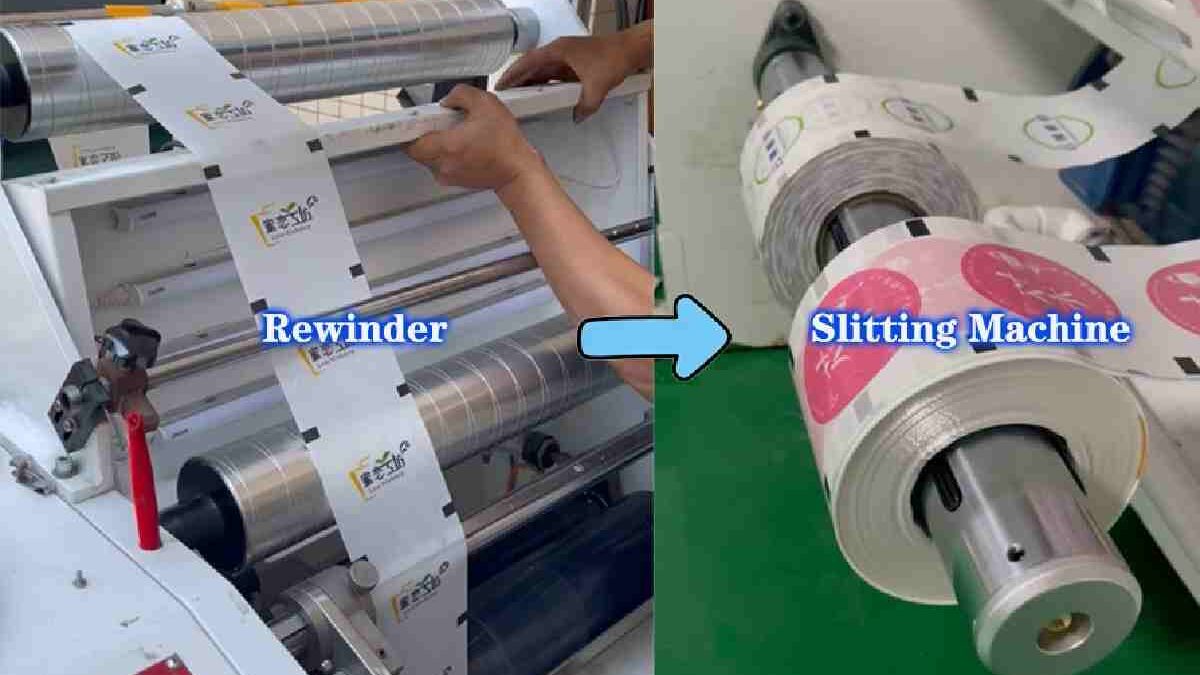
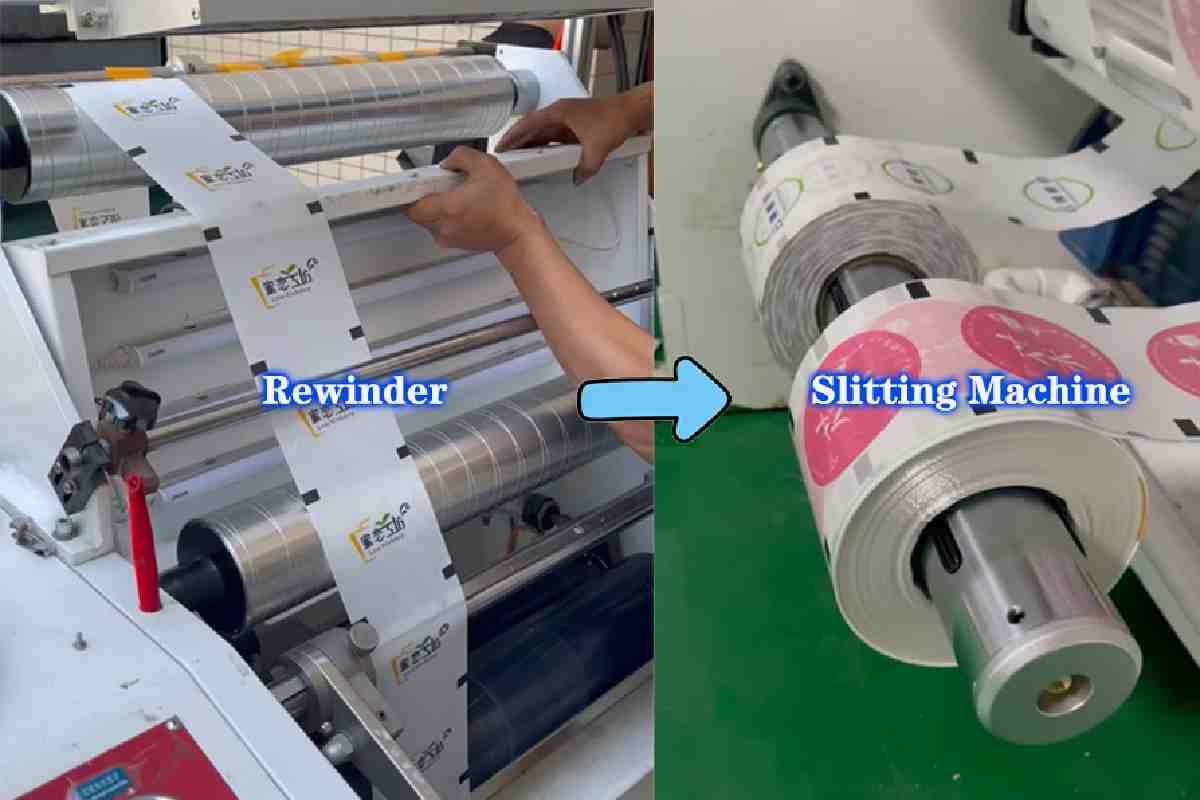
How to Convert a Rewinder into a Slitting Machine: Converting a rewinder into a slitting machine is a practical and cost-effective solution for manufacturers aiming to improve production flexibility and reduce outsourcing costs.
This article presents a complete engineering guide to rewinder-to-slitter conversion, covering key mechanical modifications, tension control optimization, shaft system redesign, and clutch selection.
Special attention is given to achieving stable web tension and uniform winding across multiple strips—critical factors in high-quality slitting operations. For manufacturers seeking a reliable rewinder to slitter conversion solution, proper system integration is essential.
This article belongs in MarketingTable of Contents
Introduction
In web processing industries such as packaging, printing, and film converting, both rewinders and slitting machines are widely used. While a rewinder is designed for winding full-width materials, a slitting machine enables the conversion of wide rolls into multiple narrow rolls for downstream applications.
As production requirements evolve, many manufacturers seek to upgrade existing equipment instead of investing in new machines. Converting a rewinder into a slitting machine offers a highly efficient way to expand production capabilities with minimal capital investment.
For more engineering insights, visit: https://xwbro.com
Why Convert a Rewinder into a Slitter?
Common motivations include:
- Increased Production Flexibility
Ability to process multiple product widths in a single operation - Cost Reduction
Eliminates outsourcing of slitting processes - Capacity Improvement
Enables direct finished-product output - Product Specification Changes
Supports inline slitting and rewinding - Equipment Reutilization
Upgrades idle or underutilized rewinders
Key Mechanical Modifications
1 Slitting Unit Installation
A rewinder must be equipped with a slitting system, which typically includes:
- Upper knife holder (rotary knives or razor blades)
- Lower knife shaft or anvil roller
- Precision knife positioning and adjustment mechanism
Accurate knife alignment is critical to ensure clean cuts and avoid edge defects.
2 Web Positioning and Guiding System
To maintain strip accuracy after slitting:
- Install scale-based positioning or automated guiding systems
- Use servo-driven or manual fine-adjustment mechanisms
- Ensure consistent edge alignment across all strips
A stable web guiding system prevents deviation and improves product consistency.
3 Roller Layout Optimization
After slitting, multiple narrow webs must be properly supported:
- Reconfigure guide rollers to optimize web path
- Add pressure rollers where necessary
- Prevent web overlap, deviation, or adhesion
Proper roller design ensures smooth material flow throughout the process.
Tension Control System Optimization
Tension control is the most critical factor in slitting performance. Compared to standard rewinding, slitting requires significantly higher precision in tension stability.
Key zones include:
- Unwinding Tension Control
Must remain stable to avoid web fluctuation - Traction Zone Tension
Ensures consistent material transport - Rewinding Tension Ratio
Must be carefully balanced for uniform roll hardness
Implementing a reliable web tension control system is essential to maintain ±5% tension accuracy and prevent defects such as wrinkling, stretching, or breakage.
At XWbro, advanced tension control solutions are designed specifically for high-precision web handling applications.
Shaft System Redesign
From Single Shaft to Differential Multi-Shaft System
One of the most critical upgrades is the transformation of the rewinding shaft system:
- Replace single rewinding shafts with dual or multi-station shafts
- Use a differential shaft for slitting machine to allow independent tension control for each strip
The use of a differential shaft ensures:
- Uniform winding tension across all rolls
- Elimination of loose or overly tight rolls
- Improved product quality
Intermediate Traction System Enhancement
- Upgrade traction rollers (rubber or steel)
- Recalculate diameter, hardness, and drive power
- Replace passive rollers with active driven rollers if necessary
This ensures synchronized speed and stable slitting performance. To learn more about system components, visit https://xwbro.com/collections/hot-selling
Clutch and Drive System Upgrade
1 Replace Conventional Clutch Systems
Traditional friction clutches used in rewinders often lack the precision required for slitting.
Upgrading to a magnetic powder clutch provides:
- Precise torque control
- Smooth start and stop
- Stable tension output
2 Synchronization of Traction and Rewinding
- Ensure all driven components operate synchronously
- Avoid slipping or speed mismatch
- Enable smooth acceleration and deceleration
3 Slip Shaft Calibration
Many conversions fail due to improper calibration of the slip shaft system:
- Check internal friction components or air bladders
- Adjust torque distribution for each strip
- Ensure consistent winding across all rolls
Performance Benefits After Conversion
A properly executed conversion can deliver:
- 30–50% increase in production efficiency
- Reduced processing costs
- Improved product consistency
- Enhanced flexibility for multiple product specifications
Conclusion
Converting a rewinder into a slitting machine is a technically feasible and economically attractive solution for manufacturers in web processing industries.
By upgrading key components—including slitting units, tension control systems, shaft configurations, and clutch mechanisms—existing equipment can achieve performance levels comparable to dedicated slitting machines.
With proper engineering design and system calibration, this transformation enables stable operation, high-quality output, and long-term cost savings.
